

World-Class Research on the Shores of the Red Sea
KAUST is an international graduate-level science and technology research university located on the shores of the Red Sea in Saudi Arabia. Home to world-class faculty, scientists, engineers and students from around the globe, the campus's 10 research centers focus on finding solutions to problems in areas related to water, food, energy and the environment. Students have the opportunity to access to state-of-the-art labs and our eminent faculty, while obtaining a diverse graduate study experience.KAUST Degrees
KAUST Programs
TIE Technology Innovation and Entrepreneurship
BESE Biological and Environmental Science and Engineering Division
Bioscience (B)
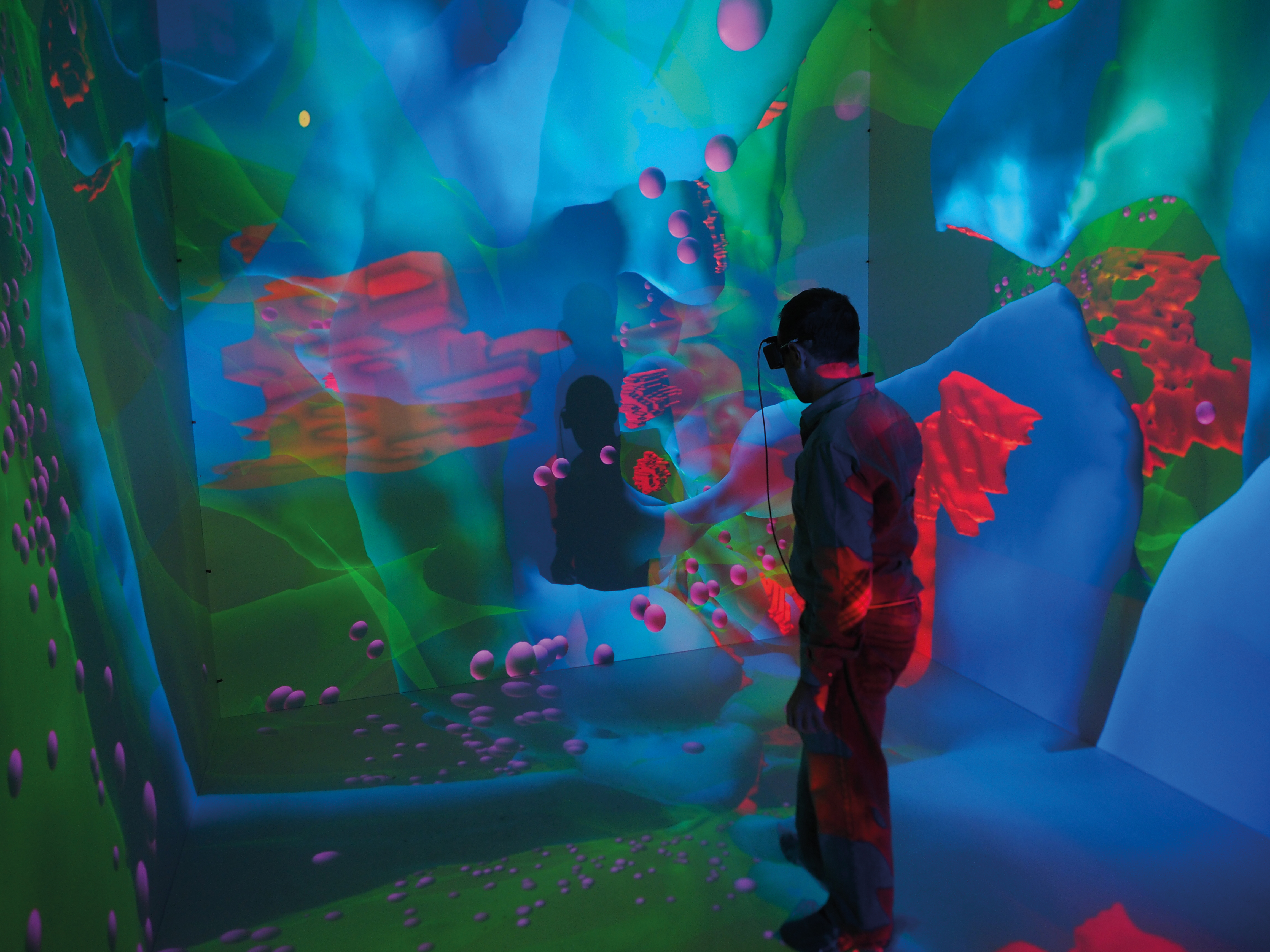
The Bioscience program provides a strong introduction to living matter with courses on cell biology and biophysics. The program comprises two tracks of self-contained courses consisting of lectures, seminars and laboratory classes. Each course provides a complete review of the subject concerned.
Bioengineering (BioE)
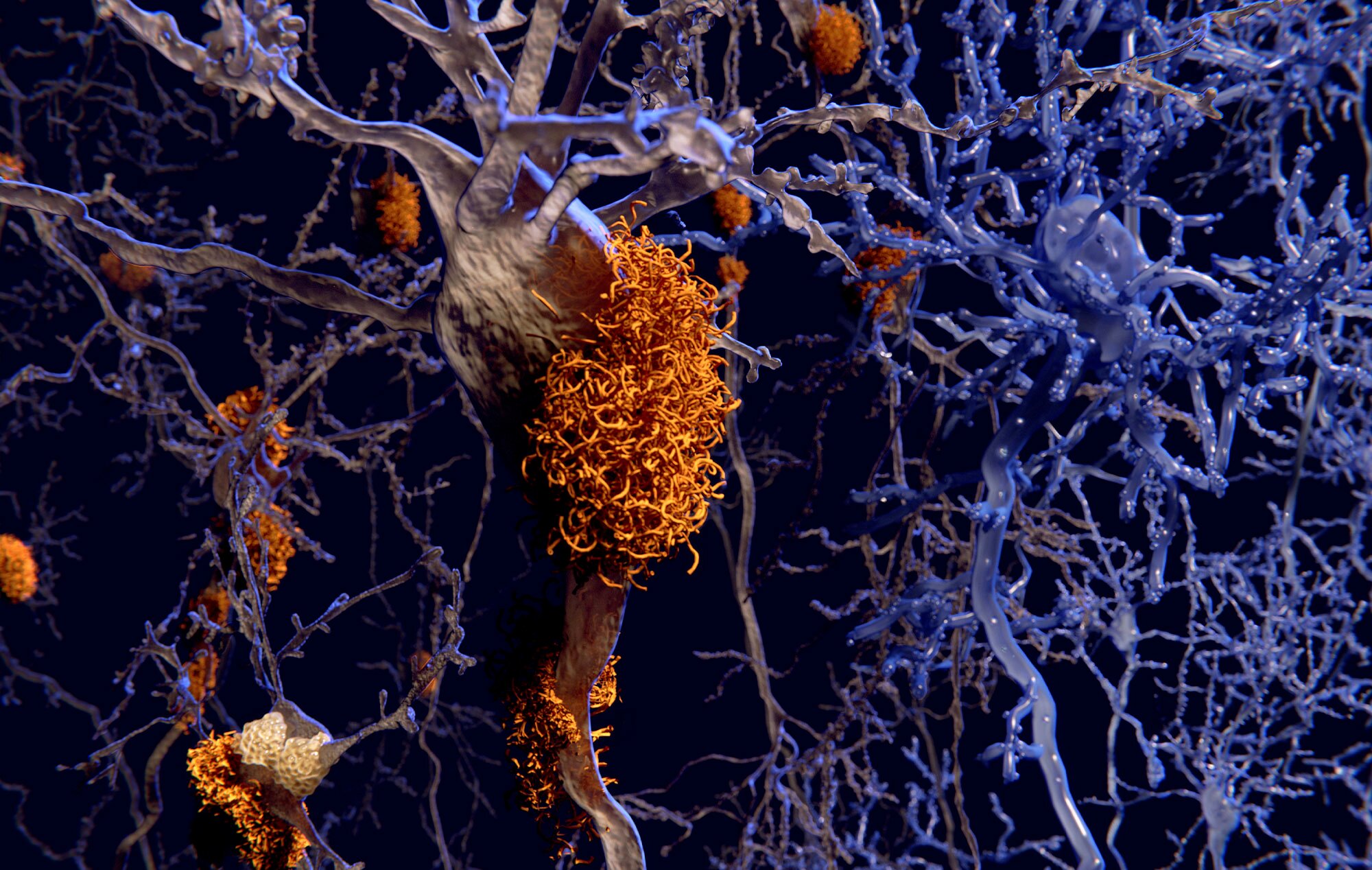
A bioengineer develops and applies engineering principles to life
sciences. The field focuses on the development and application
of engineering concepts, principles, and methods to biological
systems. We aim to model, monitor, and treat disorders and
disabilities that affect living organisms, to develop algorithms
which aid understanding biological systems and to engineer living
systems in order to enhance their performance.
Environmental Science and Engineering (EnSE)
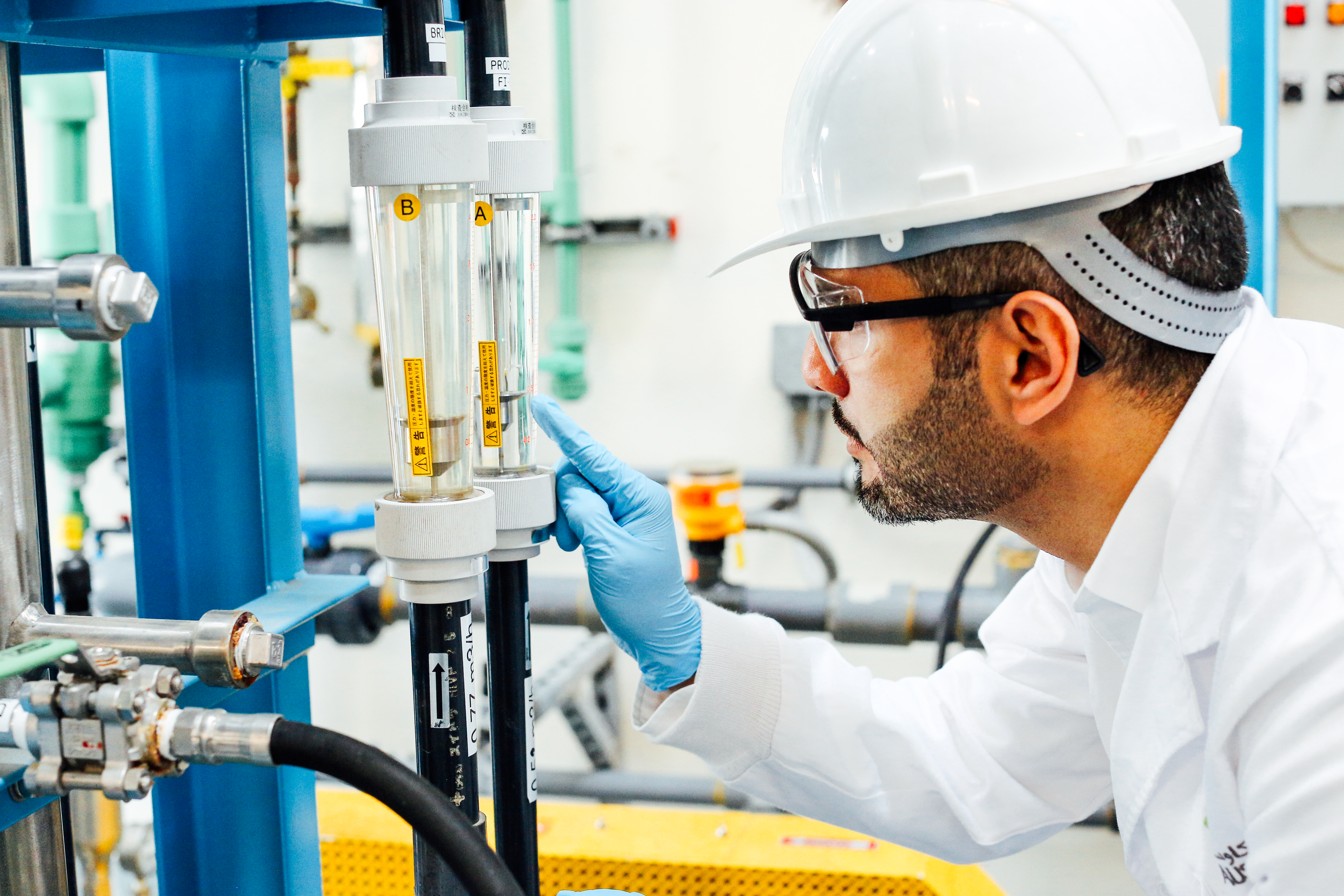
The Environmental Science and Engineering Program (EnSE) prepares
students to work on many of the world's most pressing challenges.
There is worldwide concern with the availability of clean water;
EnSE examines methods to purify and reuse water, as well as to
reduce contamination of existing reserves.
Marine Science (MarS)
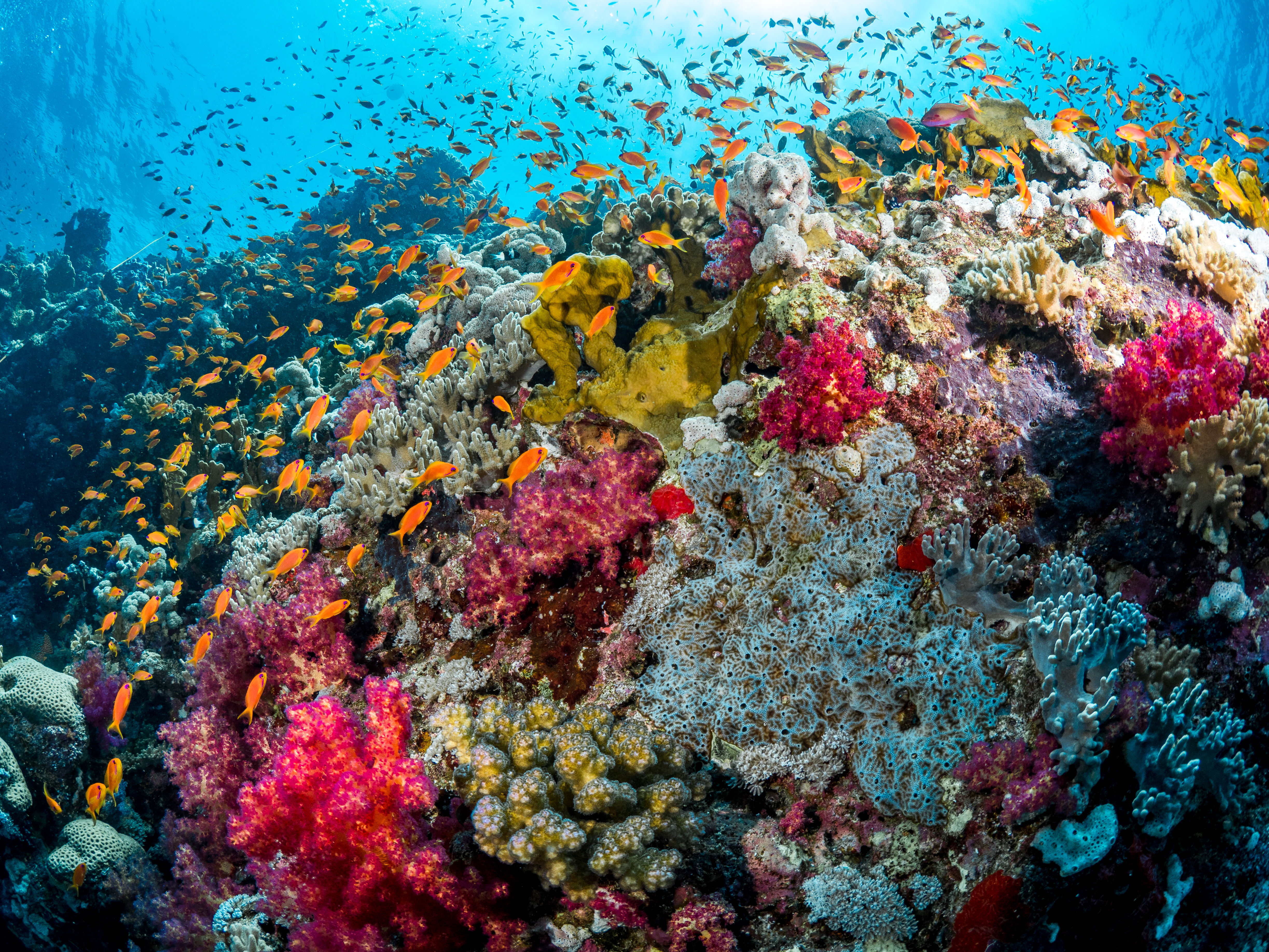
The Marine Science (MarS) Program takes advantage of KAUST's
location on the Red Sea, a living laboratory with great potential
for exciting science. The program addresses the biology and ecology
of the multitude of marine life forms. There is an intentional focus
on the local Red Sea system, both as a primary study system and as a
system with which general concepts from other marine systems can be
compared.
Plant Science (PS)
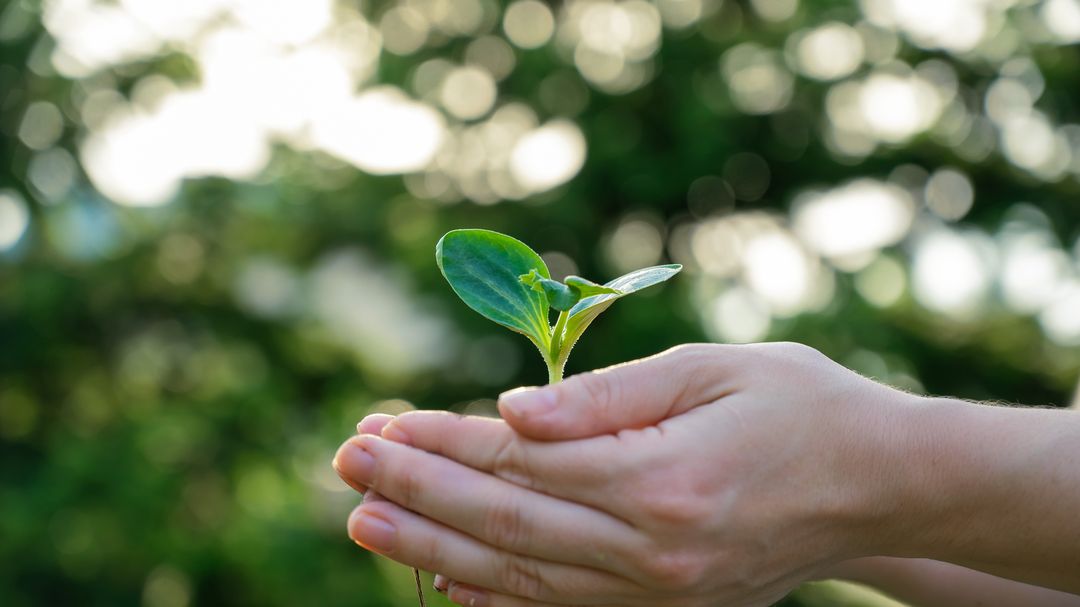
The Plant Sciences Program (PS) aims to develop an integrated understanding of how plants can grow under extreme environmental conditions as found, for example, in Saudi Arabia. The program addresses the fundamental biology of plants at the molecular and physiological level, as well as their interactions with other organisms and adaptation to unfavorable environmental conditions. Integrating this understanding in a larger systems concept will enable improving plant tolerance to abiotic and biotic factors and help reestablish sustainable agriculture in arid regions of the world.
BioMed Biomedical Sciences Division
Bioscience (B)
At KAUST, the Bioscience program offers a unique and impactful environment for scientific discovery and innovation. Motivated by a deep curiosity about how living systems work and adapt to their environments, we are tackling both local and global challenges in human health and the health of our planet.
Bioengineering (BioE)
Seamlessly blending the natural world with an expanding universe of modern technology, bioengineering is a discipline with extraordinary potential to secure a better tomorrow. By borrowing fundamental biological principles — how natural organisms regulate themselves,
CEMSE Computer, Electrical and Mathematical Science and Engineering Division
Applied Mathematics and Computational Sciences (AMCS)
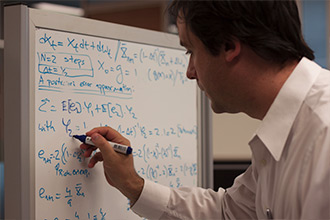
The Applied Mathematics and Computational Sciences (AMCS) program
trains students to construct and solve mathematical and
computational models of real-world problems.
Computer Science (CS)
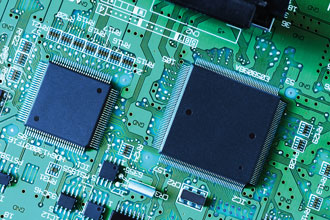
The Computer Science program trains students to create computational
infrastructure and apply computational methods to a variety of
areas. Computer Science offers six tracks, each of which leads to a
frontier of computing: Artificial Intelligence, Computer
Systems, High Performance Computing, Theoretical Computer Science,
Visual Computing, and Computational Biosciences.
Electrical and Computer Engineering (ECE)
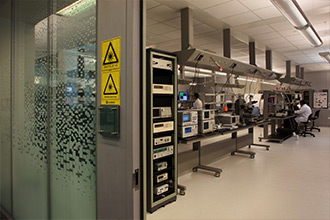
Electrical and Computer Engineering (ECE) plays an important role in the fields of engineering, applied physics, and computational sciences. A significant portion of advancement in technology originates from cutting edge research performed in the field of ECE. At KAUST, the ECE program is bound to this tradition: It aims for preparing students for a multitude of professional paths and advancing world-class research and research based education through interdisciplinary partnering within engineering and science.
Statistics (STAT)
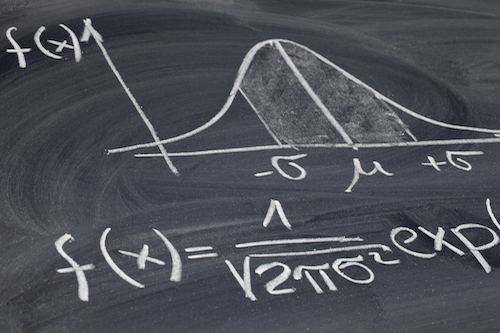
The Statistics (STAT) program educates students to analyze and model
complex real-world problems arising in modern Statistical Data
Science.
PSE Physical Science and Engineering Division
Chemical Engineering (CE)
The Chemical Engineering Program (CE) offers students opportunities to develop real-world solutions to global challenges by leveraging basic discoveries in chemical and biological sciences. These include the development of new processes for gas and liquid separations, water desalination, as well as the development of new materials for reducing greenhouse gases and remediating chemical and biological threats.
Chemistry (Chem)
The KAUST Chemical Science Program (ChemS) was established in 2010 to provide a modern research-oriented education in Chemistry. Making use of the outstanding facilities at KAUST, the program distinguishes itself by a strong emphasis on research with a clear focus on current challenges related to catalysis and materials.
Earth System Science and Engineering (ESSE)

The ESSE program investigates Earth’s dynamic systems — from crust to climate. Students develop tools to model subsurface flows, assess seismic risks, and explore natural resources. Research spans fault mechanics, induced seismicity, geochemistry, and carbon storage — laying the scientific groundwork for a sustainable future on a changing planet.
Materials Science and Engineering & Applied Physics (MSEAP)
MSEAP advances the design and discovery of materials that shape
modern life. From nanomaterials to multifunctional polymers,
students explore how materials behave, interact, and evolve.
Research fuses theory with synthesis to develop transformative
solutions in energy storage, clean water, and flexible
electronics.
Mechanical Engineering (ME)

The Mechanical Engineering (ME) program focuses on the following broad areas of research: structures and mechanics of solids, fluid dynamics, thermal sciences, combustion, energy, and control and dynamics. Courses in the program provide a solid foundation in each area, covering subjects such as mechanical behavior of engineering materials, continuum mechanics, thermodynamics, experimental and numerical combustion, control design, dynamic analysis, modeling, and simulation.